
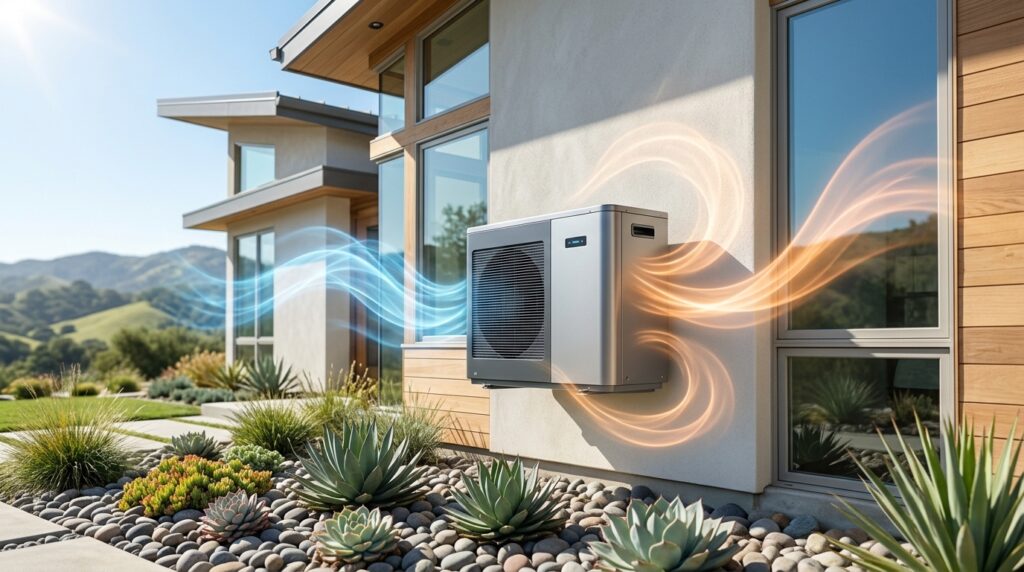
For decades, the standard approach to heating and cooling our homes and buildings remained largely the same: an air conditioner for the sweltering summers and a fossil-fuel-burning furnace or boiler for the freezing winters. But a quiet revolution has been happening in the world of HVAC, driven by the global push for electrification and rapid technological advancements.
At the center of this shift is the heat pump.
No longer just a niche solution for mild climates, heat pumps are surging in popularity worldwide. They are becoming the go-to choice for homeowners, developers, and housing authorities looking to reduce carbon footprints, lower energy bills, and future-proof their properties. But why the sudden boom? Let’s explore the advancements and trends driving the electrification of HVAC.
What is a Heat Pump, Exactly?
To understand the hype, you have to understand the mechanics. Unlike traditional furnaces that generate heat by burning fuel (like natural gas or oil), a heat pump transfers heat.
In the winter, it extracts warmth from the outside air (even in freezing temperatures) and pumps it indoors.
In the summer, it reverses the process, pulling heat out of your home and dumping it outside, effectively acting as an air conditioner.
Because they move heat rather than creating it, heat pumps are incredibly efficient—often generating up to three times more heat energy than the electrical energy they consume.
The Driving Forces Behind the Boom
1. The Push for Electrification and Decarbonization
As cities, states, and entire nations commit to ambitious net-zero emissions targets, the “electrify everything” movement has gained massive momentum. Buildings account for a significant portion of global greenhouse gas emissions, primarily due to fossil-fuel heating. Transitioning from gas furnaces to electric heat pumps is one of the most effective ways to decarbonize our infrastructure, especially as the electrical grid itself becomes greener with more solar and wind power.
2. Cold-Climate Advancements
Historically, the biggest criticism of heat pumps was that they struggled to keep up in sub-freezing temperatures, requiring a backup heating source. That is no longer the case. Thanks to major advancements like variable-speed compressors and enhanced vapor injection (EVI) technology, modern cold-climate heat pumps can operate efficiently in temperatures well below zero degrees Fahrenheit. This breakthrough has opened up massive new markets in the Northeast, the Midwest, and Canada.
3. Unmatched Energy Efficiency (and Cost Savings)
While installing a heat pump can carry a higher upfront cost than a standard furnace, the long-term operational savings are undeniable. By utilizing variable-speed drives, modern heat pumps don’t just blast on and off like older systems. They continuously adjust their output to match the exact heating or cooling needs of the space, using only the energy absolutely necessary. This results in far lower monthly utility bills.
4. Incentives and Policy Support
The financial barrier to entry is shrinking rapidly. Historic legislation, such as the Inflation Reduction Act in the United States, has introduced massive tax credits and point-of-sale rebates for households upgrading to high-efficiency heat pumps. Simultaneously, local building codes in many progressive cities are phasing out gas hookups in new construction, accelerating the transition by default.
What’s Next for Heat Pumps?
The technology is continuing to evolve. We are currently seeing a shift toward more environmentally friendly refrigerants (with lower Global Warming Potential) to make these systems even greener. Additionally, the integration of smart thermostats and grid-connected HVAC controls allows heat pumps to interact with local power grids—cooling or heating your home during off-peak hours when electricity is cheapest and cleanest.
Conclusion
The electrification of HVAC is not just a passing trend; it is the fundamental future of building infrastructure. Heat pumps represent a rare “win-win-win” in the modern energy landscape: they provide superior, year-round comfort, significantly reduce carbon emissions, and lower energy costs over time.
Whether you are a homeowner looking to replace an aging AC unit or a community leader planning the next generation of sustainable housing, the message is clear: the future of heating and cooling is electric, and the heat pump is leading the charge.